5 Signs Your Cabinets Are Good Candidates for Refinishing
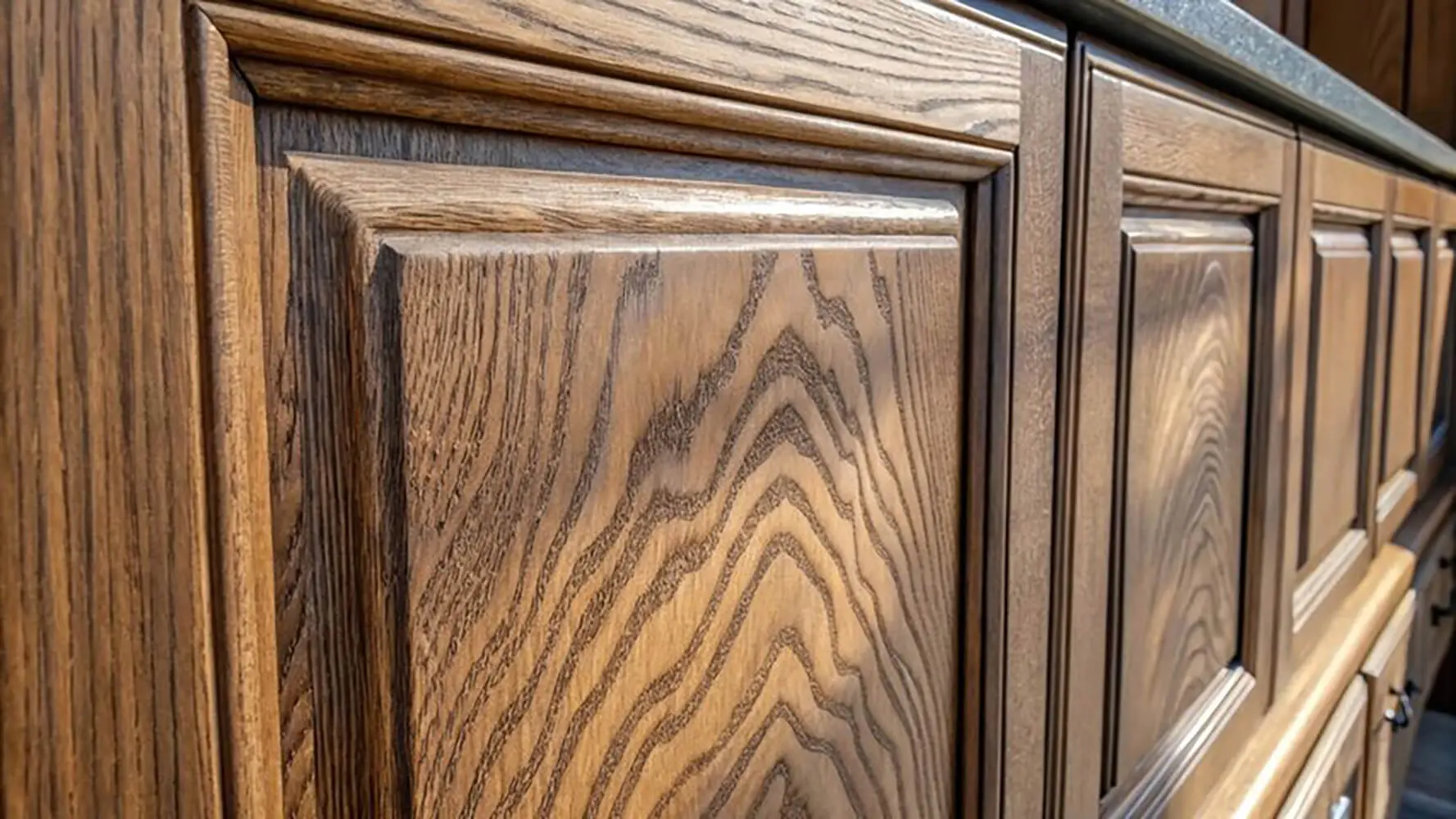
If your cabinets are looking worn but still feel solid, you’ve probably wondered whether refinishing is worth it or whether you’re better off replacing everything. It’s a fair question, and the answer depends less on how the cabinets look and more on what’s actually going on underneath the surface.
Refinishing is one of the most cost-effective ways to transform a kitchen or bathroom, but it works best when the cabinets meet certain conditions. Not every set of cabinets is a good candidate, and going into the process without knowing what to look for can lead to results that don’t hold up the way they should.
The good news is that most of the signs your cabinets are good candidates for refinishing are things you can assess yourself before ever calling a professional. You don’t need specialized knowledge, just a clear checklist and a few minutes to take a closer look at what you’re working with.
This post walks through five indicators that point toward refinishing as the right call, so you can move forward with confidence instead of guessing.
The Cabinet Structure Is Still Solid
Start with the bones. Before anything else, the cabinet boxes themselves need to be structurally sound, meaning no warping, no swelling, and no delamination where panels meet at the corners or along the sides.
The check is straightforward. Press firmly on the sides, back panels, and shelves of each cabinet. What you’re feeling for is rigidity. Solid cabinets don’t flex or give under light pressure. If a panel feels soft, spongy, or separates when you push on it, that’s a sign of deeper damage that refinishing won’t fix.
A few things to look for during this check:
- Corners and seams where the box panels meet, as these are the first places to show stress or separation
- Shelves that sag or bow under their own weight
- Any visible swelling along the bottom panels, which often points to past moisture exposure
It’s worth noting that minor surface imperfections on the doors, such as small dings, light scratches, and shallow dents, don’t disqualify your cabinets. Those get addressed during the prep phase. What matters here is whether the underlying structure is intact.
If the boxes are solid and the frames are holding their shape, you’re starting from the right foundation. Refinishing adds a new surface, but it depends on that foundation to perform the way it should.ape, you’re starting from the right foundation. Refinishing adds a new surface, but it depends on that foundation to perform the way it should.
The Existing Finish Is Worn but Not Damaged Beyond the Surface
Refinishing works by stripping away the existing finish and replacing it with a new one. That process is highly effective when the damage lives at the surface level, but it has limits.
Surface-level finish failure looks like this:
- Peeling or flaking paint along door edges
- Yellowing or fading on painted cabinets
- Light scratches that haven’t cut through to bare wood
- A dull, worn appearance that no amount of cleaning improves
These are all cosmetic issues, and refinishing corrects them directly. If your cabinets fall into this category, they’re strong candidates.
The situation changes when the damage goes deeper. Widespread gouges that expose raw wood, unaddressed moisture damage, and delamination that runs through the material itself all point to problems that go deeper than the surface. Applying a new finish over unresolved damage won’t produce a lasting result.
A useful self-test: look for spots where bare wood is visible. If those spots are isolated and the surrounding finish is still relatively intact, that’s a good sign. If bare wood is showing up across most of the surface and the finish is lifting in sheets, the cabinets may be past the point where refinishing makes sense.
One important flag: if the finish is failing because of an ongoing moisture problem, that source needs to be identified and corrected before refinishing begins. New finish applied over a moisture issue will fail for the same reason the old one did. Proper cabinet surface prep starts with resolving those underlying conditions first.
The Cabinet Style Still Works for Your Space
Refinishing changes the color and finish of your cabinets. It does not change the door profile, the layout, the cabinet dimensions, or the hardware placement. That distinction matters when you’re deciding whether refinishing is the right move.
Before committing, spend a few minutes honestly assessing the style. Ask yourself:
- Do the door profiles still feel appropriate for the space, or do they feel visibly outdated in a way a new color won’t fix?
- Does the overall layout work, or are there functional problems like not enough storage or awkward configurations that refinishing won’t address?
- Is the hardware placement compatible with the direction you want to take the space?
If the answer to most of those questions points toward the style being fundamentally sound, refinishing can close the gap between where the kitchen is now and where you want it to be.
Flat-front and shaker-style doors are particularly well-suited to refinishing. Their clean lines respond well to paint and stain, and they hold up across multiple finish applications over time. More ornate profiles with heavy detail work can also be refinished successfully, but they demand more careful prep so the finish covers recessed areas evenly.
The core question here isn’t aesthetic preference. It’s whether the cabinets are structurally and stylistically compatible with the outcome refinishing can deliver. If the style works and the bones are good, a new finish can make a significant difference without the cost and disruption of cabinet refinishing vs. refacing.
The Wood Species or Material Holds Paint and Stain Well
Not all cabinet materials respond the same way to refinishing products. The material your cabinets are made from plays a real role in whether the new finish will adhere properly and hold up over time.
Solid wood species are generally excellent candidates. Maple, oak, cherry, and alder all accept paint and stain reliably when you properly prep the surface. MDF (medium-density fiberboard) door fronts are also common in refinishing projects and perform well with paint when you properly seal the edges first.
On the other end of the spectrum, thermofoil and RTF (rigid thermofoil) cabinets are typically not good candidates. These cabinets are built with a vinyl film wrapped over an MDF core. That film doesn’t accept paint or stain the way wood does. It tends to peel away from the substrate rather than bond with a new finish. If your cabinets have a smooth, slightly plasticky appearance and the surface near the edges or corners has started to lift, thermofoil is likely what you’re dealing with.
If you don’t know what your cabinets are made from, that’s a completely normal starting point. When to refinish cabinets often comes down to a material question that a professional can answer quickly during an in-person assessment. You don’t need to memorize wood species or material grades. You just need to know that the question is worth asking before the project starts.
The material check is one of the most important steps in the cabinet refinishing decision, and it’s one of the clearest filters for whether the project will produce a durable result.
The Doors and Drawers Still Open and Close Properly
This is the easiest sign to check, and it tells you more than it might seem to at first.
Open every cabinet door and pull out every drawer. What you’re looking for is basic functional alignment: doors that hang straight, close flush against the frame, and don’t drag or bind on their way shut. Drawers should slide smoothly and sit level when closed.
Functional alignment signals that the cabinet boxes are square and that the hardware is doing its job. That’s a good sign for refinishing because it means the underlying structure is stable enough to support the process.
A few minor issues are normal and don’t disqualify your cabinets:
- A door that needs a hinge adjustment to sit flush
- A drawer that runs slightly slow due to dust or worn slides
- Light resistance on a door that eases once the hinge is tightened
These are maintenance issues, not structural ones. A professional addresses these as part of the overall cabinet work.
What’s different is a door that won’t hang correctly because the frame behind it has shifted or warped. If multiple doors are misaligned and the problem isn’t the hinges, it points to something happening with the boxes themselves. Refinishing doesn’t correct alignment problems, and if the underlying cause is structural movement, it may affect whether refinishing is the right call at all.
The functional check takes about five minutes and gives you a clear read on whether the cabinets are operating the way they should. When everything opens, closes, and sits the way it should, your cabinets are telling you they’re worth investing in.
Is Refinishing the Right Move for Your Cabinets?
If you’ve worked through these five signs and most of them apply to your cabinets, there’s a good chance refinishing is a viable path forward. Solid structure, surface-level finish wear, a style that still fits the space, a material that accepts new finish, and doors and drawers that function correctly are conditions that together make for a strong refinishing candidate.
That said, one or two borderline areas don’t automatically rule it out. Minor concerns around finish condition or a door that needs adjustment are common and usually manageable. What matters is the overall picture.
The clearest next step is having someone assess the cabinets in person. A professional can confirm material type, evaluate finish condition more precisely than a visual check allows, and give you an honest answer about whether refinishing will hold up the way you’re hoping.
Hömm CPS works with homeowners who are at exactly this stage, not sure yet, but trying to make an informed decision before committing. If your cabinets are showing these signs and you want a professional opinion on whether refinishing makes sense for your space, reach out to us to schedule an assessment. There’s no obligation, just a clearer picture of what your options actually are.