
Interior Paint Sheens Explained: Where to Use Matte, Eggshell, Satin, and Semi-Gloss

Standing in the paint aisle with sheen samples can feel confusing. The cards all look nearly identical in your hand. Yet this choice shapes how a room looks and holds up for years.
Get it wrong and the stakes are real. A kitchen wall in the wrong sheen stains permanently. A formal living room with too much shine exposes every patch job underneath. This guide breaks down what actually makes each sheen different. You’ll learn why that difference matters more in some rooms than others, and how to match sheen to the real conditions of each space in your home.
Your Interior Paint Sheen Guide: What Sheen Actually Means
Paint sheen describes how much light a paint’s dried surface reflects. The scale runs from flat, which has no shine, to high-gloss, which reflects the most light.
The sheen level comes down to the ratio of resin to pigment in the paint formula:
- More resin creates a smoother, harder, more reflective surface
- More pigment creates a flatter, more matte surface
Many homeowners treat sheen as a purely aesthetic decision. That’s a mistake. Sheen is a functional spec that affects durability and cleanability just as much as appearance. Choosing the wrong finish can undermine your project even with the perfect color, and avoiding common interior paint mistakes starts with treating sheen as a real decision rather than an afterthought.
This is why two paints in the exact same color can look completely different depending on sheen. You need to choose sheen deliberately, not as a last-minute add-on after picking a color.
Why Sheen Level Affects Durability and Cleanability
Higher-sheen paints resist moisture and clean up more easily. The smoother, harder surface they create keeps dirt and marks from soaking in, so you can wipe them away instead.
This happens because of a direct mechanical relationship. The same increased resin content that creates shine also creates a denser, less porous paint film once it cures. It’s not a separate feature added on top.
This explains a few common patterns:
- Kitchens and bathrooms typically lean toward higher sheens
- Flat paint in a hallway shows scuffs that won’t wipe away
- Busy family spaces benefit from added durability
A household with kids or pets will spend far more time scrubbing a flat-painted wall than a satin or semi-gloss one, even with identical color and coverage.
Why Higher Sheen Also Reveals More Wall Imperfections
The same light-reflecting quality that makes higher sheens durable also exposes wall flaws. Drywall seams, patch work, nail pops, and roller marks all become more visible under a glossy surface.
Light bounces off a glossy surface at consistent angles. That consistency highlights any variation in the wall’s texture underneath. A flat or matte finish scatters light more evenly instead, which masks those same imperfections.
Don’t assume higher sheen always looks more premium. On a poorly prepped wall, a higher sheen can actually look worse than a well-applied flat finish, since it draws the eye straight to every flaw.
This tradeoff sits at the center of every sheen decision. Durability and cleanability increase with sheen. Forgiveness of wall condition decreases at the same time. The right choice depends on both the room’s function and your wall’s actual condition.
Matte and Flat: Best for Hiding Flaws in Low-Traffic Rooms
Matte and flat sheens carry little to no shine. That makes them the most forgiving finish for walls with texture, patch work, or other imperfections.
Their higher pigment-to-resin ratio scatters light rather than reflecting it. That scattering effect creates the soft, non-reflective look these finishes are known for.
Don’t assume flat paint can’t hold up anywhere in your home. Modern matte formulas have improved washability compared to older flat paints, even though they still lag behind higher sheens on durability.
Matte and flat work best in:
- Formal living rooms
- Dining rooms
- Ceilings
These spaces see low foot traffic and low moisture exposure, which lets visual smoothness take priority over scrubbability.
Eggshell: The Balanced Default for Most Walls
Eggshell sits just above matte on the sheen spectrum. It offers a soft, low-luster look while adding meaningfully more durability and washability than flat paint.
Eggshell’s slightly higher resin content creates just enough surface density to resist daily wear. It does this without introducing the glare or flaw-revealing quality you’d see in higher sheens.
This is why eggshell has become the default recommendation for most main living spaces, bedrooms, and hallways. It requires the least amount of decision-making relative to the room it’s going in.
If you’re unsure which sheen fits a general living space, eggshell is the safest default. It balances forgiveness of wall condition with everyday practical durability.
Satin: Added Durability for Busier Rooms
Satin sits between eggshell and semi-gloss. It offers a noticeably smoother, slightly reflective finish along with real gains in durability and moisture resistance.
Satin’s higher resin content creates a harder, more washable surface than eggshell. It still isn’t fully moisture-proof or as forgiving of wall texture, though.
Don’t treat satin and eggshell as interchangeable. The visible sheen difference is real, and satin will show wall flaws more than eggshell does. Wall prep quality matters more once you choose this sheen.
Satin works well in several spots:
- Kids’ rooms
- Kitchens with adequate ventilation
- Laundry rooms
- Hallways
These rooms need some durability, but a full semi-gloss shine would feel too stark across large wall surfaces.
Semi-Gloss and Gloss: Built for Trim, Doors, and Cabinetry
Semi-gloss and gloss sit at the top of the sheen spectrum. They deliver the highest durability and moisture resistance, but also the least forgiveness of surface imperfections.
Their high resin content creates a hard, glass-like surface. That surface resists staining and scrubs clean easily, but it also reflects light directly, magnifying every flaw in the surface underneath.
Don’t use semi-gloss on walls chasing a “clean, modern” look. On large wall expanses, it typically looks too shiny and exposes application flaws instead of reading as an intentional design choice.
This is why semi-gloss and gloss stay reserved for trim, doors, cabinetry, and other smaller, smoother surfaces. Their durability benefits matter here without the tradeoff of exposing wall texture across a large surface.
How Room Lighting Changes the Way a Sheen Looks
The same sheen can look noticeably different depending on how much natural or artificial light a room receives. Sheen’s visual effect depends entirely on the light bouncing off it.
Rooms with large windows or south-facing exposure amplify a sheen’s reflectiveness throughout the day. North-facing rooms or artificially lit spaces mute that same sheen’s shine.
Most homeowners don’t think to ask about this variable. A satin finish in a bright, sunlit room can read almost as shiny as semi-gloss elsewhere in the house. That same satin in a dim room may look closer to eggshell instead. Light exposure changes far more about paint appearance than most people expect, and understanding why the same color looks different from room to room applies just as directly to sheen as it does to color itself.
Test your sheen sample in the actual room, at different times of day. That matters more than judging a sample under store lighting or in a completely different room of your house.
Choosing the Right Sheen for Every Room in Your Home
Pulling the mechanism and lighting insight together gives you a practical guide:
- Matte or flat: formal living and dining rooms, ceilings
- Eggshell: bedrooms, general living spaces
- Satin: kitchens, kids’ rooms, hallways
- Semi-gloss: trim, doors, cabinetry
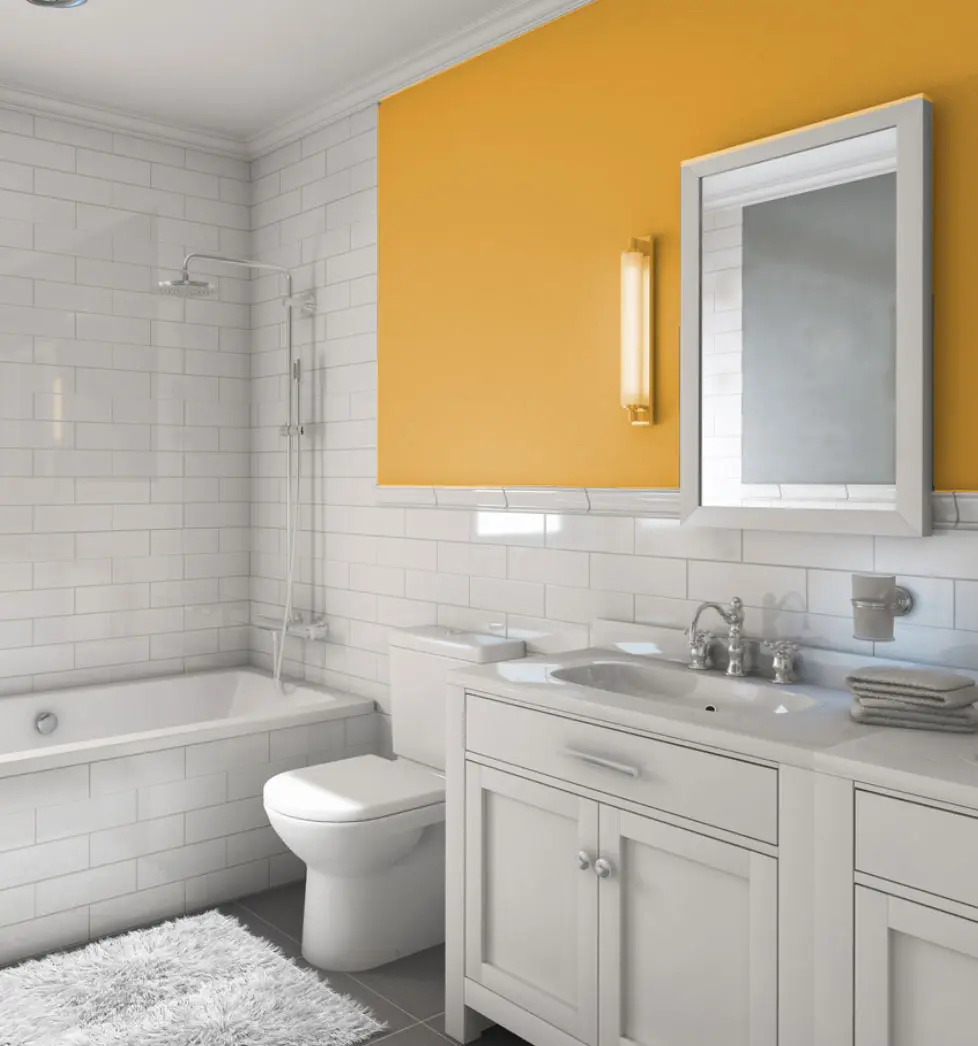
- Bathrooms: satin or semi-gloss, depending on ventilation and moisture exposure
The right sheen for each room depends on balancing that room’s traffic and moisture level against how much your walls’ current condition can tolerate a more revealing finish.
One more variable worth considering: rooms with statement walls or accent colors may warrant a different sheen than the rest of your home. A slightly higher sheen can intentionally draw attention to that surface rather than blending it in.
What Sheen Choice Means for Prep, Application, and Future Recoats
Higher sheens demand more thorough wall prep before application. They’ll expose any shortcuts taken during patching or sanding once the paint cures.
Because higher-sheen paints reflect light more directly, any texture inconsistency beneath the paint becomes visible after curing. Skipped prep work turns into a visible problem instead of staying hidden. Rushed prep causes a wide range of issues beyond sheen mismatches too, and avoiding the mistakes that show up after painting starts with the same prep discipline that sheen choice demands.
One practical note on switching sheens later: going from a higher sheen to a lower one on the same wall is straightforward. Going from a lower sheen to a higher one, or repainting over a glossy surface at all, typically requires a coat of primer or light sanding first. The new paint needs that step to adhere properly.
This is why the sheen decision is worth making deliberately from the start. Defaulting to whatever was used previously skips real consideration. Switching sheens later adds real prep work to your next repaint.
If you’re ready to move forward with a specific sheen plan for your home, or you want a professional opinion on which finish fits each room, our team can walk you through the options during a free consultation. Learn more about our interior painting services or reach out to schedule a visit.