Why Cabinet Refacing Is Different in Historic Washington, DC Homes
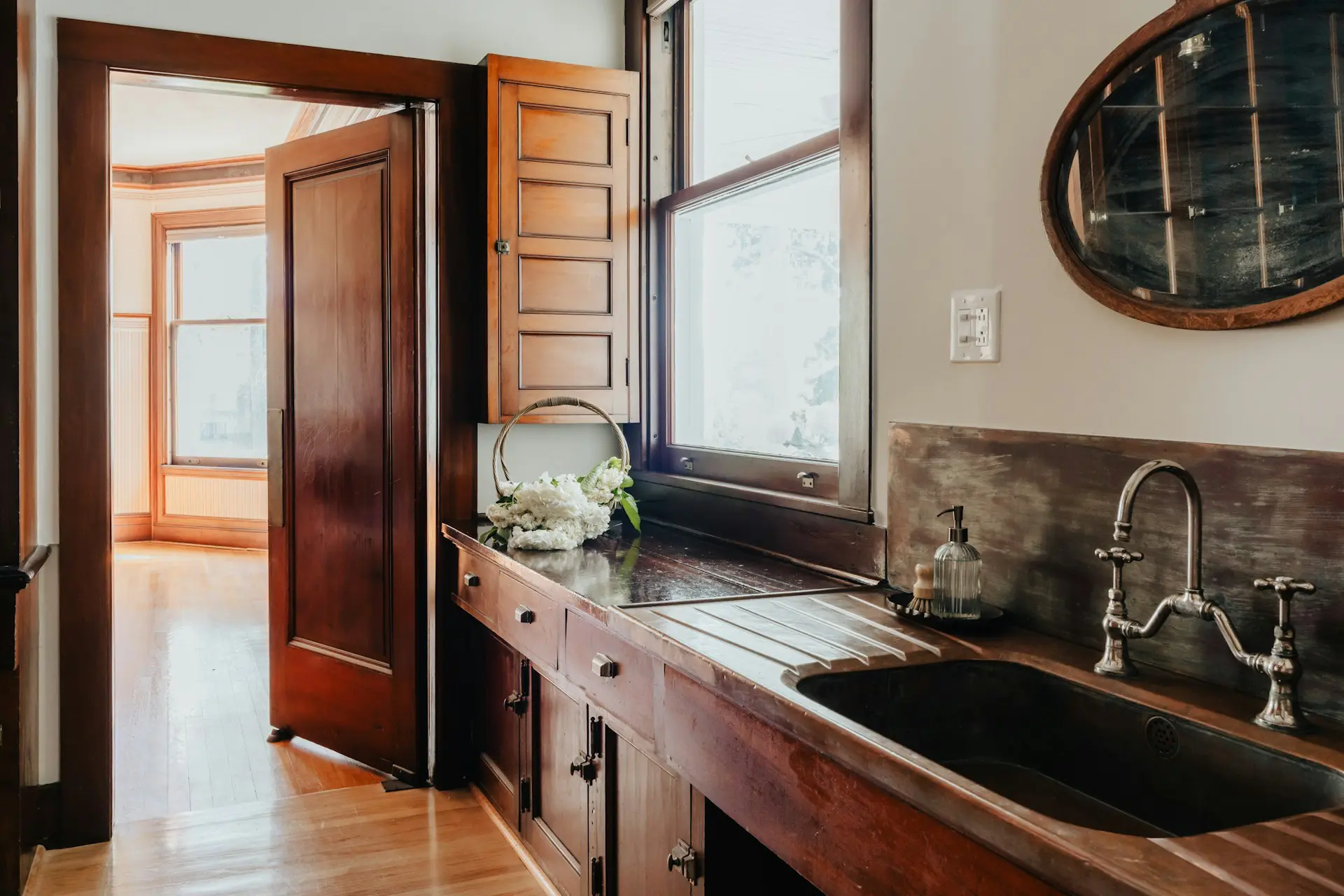
Washington, DC is full of classic homes with rich architectural details, and many homeowners want their kitchens to reflect both history and comfort. Cabinet refacing is often the right choice for these properties when an update is needed but the goal is to hold onto original character. It allows refreshed finishes to be introduced without removing the original bones of the space.
In Washington, DC, cabinet refacing often requires a more tailored approach than in newer homes. Older layouts, original finishes, and non-standard construction all play a role in how updates are planned and executed. When the goal is to modernize a kitchen without erasing its history, refacing offers a way to improve function and appearance while keeping original character intact.
Historic Cabinets Often Have Irregular Sizes and Built-In Details
Refacing cabinets in a historic property rarely involves cookie-cutter shapes or standard materials. Everything from the cabinet dimensions to the wall surfaces can be different from what’s found in new builds.
- Older cabinets often have irregular sizes or deeper frames that don’t match modern refacing kits
- Many of them are built directly into uneven plaster walls, which requires new doors and veneers to be blended precisely
- Trim and decorative details like rosettes or crown molding may need to be preserved or custom-matched so the update doesn’t feel out of place
Instead of removing everything, professionals look for smart ways to retain those vintage touches. Matching the era of the home through materials and installation methods keeps the renovation consistent and avoids damaging features that have been part of the home for decades.
Older Layouts and Materials Require More Care During Refacing
Working in older kitchens requires more than just installing new doors. Professionals often deal with past repairs, previous paint jobs, and building materials that aren’t common anymore.
- Tight layouts, bulkheads, or uneven corners often require more creative cabinet configurations.
- Many homes have thick plaster and old lath walls, which require a softer touch when applying new veneers
- Older wood, especially if it’s layered from multiple updates, can need prep work before holding new adhesives properly
Not all cabinets in historic homes were built at the same time. Some may have been added on later or shifted to fit in new appliances. That mix makes surface prep and long-term durability key parts of the process.
Historic Preservation Rules Affect Cabinet Refacing in Washington, DC
Many homes in Washington, DC fall within historic districts, where exterior and interior changes are often expected to respect the original character of the property. While cabinet refacing typically does not require formal approval, the work still needs to align with preservation expectations, especially in older rowhomes and early 20th-century residences.
Original cabinetry in historic homes was often built on-site using materials and proportions that differ from modern standards. Refacing allows those original cabinet boxes to remain in place while updating doors, drawer fronts, and finishes in a way that maintains period-appropriate details. This approach avoids removing original elements that contribute to the home’s historical integrity.
Because preservation-minded updates favor minimal disruption, cabinet refacing is often a practical solution for DC homeowners who want functional improvements without altering the home’s architectural footprint. When finishes, profiles, and hardware are chosen to reflect the home’s era, the kitchen can be refreshed while still fitting naturally within the broader historical context.
How Professionals Match Historic Style While Updating the Space
The best projects find the line between old and new. That’s where refacing works well by allowing original visual elements to remain, while improving how the kitchen functions day to day.
- Glass-front doors, carved trim, or inset paneling are often preserved
- New doors can be picked in styles that reflect the home’s time period, such as shaker or beadboard, and chosen in stains that echo the original tones
- Vintage elements like furniture-style legs, visible hardware, or natural brush strokes often stay, especially if they tie into nearby trim or built-ins
Successful refacing projects are grounded in preserving visual flow. When you’re living in a rowhouse or early 20th-century home, it’s those details that bring a kitchen together naturally without making it feel disconnected from the rest of the space. For many of these homes, features such as decorative moldings and historical trim are as important as the cabinets themselves, contributing to a cohesive and authentic look.
Matching styles and finishes while upgrading function is always a careful balancing act. Selecting hardware that mimics original brass pulls or incorporating glass elements reminiscent of period designs allows for updates that do not overshadow the space’s uniqueness. Homeowners often express how maintaining these features lets the renewed kitchen feel both refreshed and familiar.
Why Trusting a Professional Team Matters with Older Homes
Older homes need a different approach from the start. Refacing cabinets in these spaces means understanding not just carpentry but how older materials interact with newer finishes. A lot can go wrong when that background is missing.
- Experienced professionals often work around plaster walls, built-in hutches, and unusual soffits that don’t exist in modern kitchens
- One of the first steps in the process is determining whether the cabinet structure is solid enough to reface or needs replacing, some look original but aren’t salvageable
- Historic trim or wood windows nearby may need masking or protection beyond the basics so they stay intact through the refacing work
Some homeowners wonder when it’s the right time to consider cabinet updates, especially if paint is peeling or doors no longer close evenly. Assessing the cabinet’s integrity early can save unnecessary costs and preserve as much original material as possible.
Why Cabinet Refacing Requires a Different Approach in Historic DC Homes
Cabinet refacing in historic Washington, DC homes is not a standard kitchen update. Original construction methods, preservation expectations, and irregular layouts all require a more careful, measured approach than refacing in newer properties. Keeping original cabinet boxes, matching period-appropriate details, and minimizing disruption to surrounding materials are what allow updates to blend naturally with the rest of the home.
When handled correctly, cabinet refacing strengthens function without compromising historical character. The result is a kitchen that feels refreshed while still belonging to the home it’s part of — not something that looks newly installed or out of place.
Hömm Certified Painting Systems provides cabinet refacing and cabinet painting services for historic homes throughout Washington, DC. With experience working in older properties, the focus stays on preserving original details while delivering durable, well-matched finishes. Homeowners looking to update their kitchens without erasing their home’s history can explore professional cabinet refacing in Washington, DC and schedule a consultation to get started.